
The Complete Guide to Tooth Extraction: Reasons, Procedure, and Aftercare by Klinik Akpinar
At Klinik Akpinar, we understand that “tooth extraction” can be a daunting phrase. Our priority is to preserve your natural teeth, but in some cases, removal is necessary to maintain your overall oral health. This comprehensive guide will explain why tooth extractions are performed, what the procedure involves, and how to care for yourself afterwards, ensuring you feel informed and comfortable.
When Is Tooth Extraction Recommended?
While we strive to save every tooth, several situations may make extraction the best course of action:
-
Severe Tooth Decay: If a tooth is so damaged that it can no longer be restored with fillings, crowns, or root canals, extraction is necessary.
-
Advanced Gum Disease (Periodontitis): Serious gum disease can destroy the tissue and bone that support your teeth, causing them to become loose and require extraction.
-
Broken or Fractured Teeth: Trauma from accidents can cause fractures that are non-restorable.
-
Impacted Wisdom Teeth: Wisdom teeth, especially if they are impacted (stuck below the gum line) or causing pain and damaging neighboring teeth, often need surgical removal.
-
Orthodontic Treatment: In some cases of overcrowding, a tooth may be extracted to create enough space to align the remaining teeth.
-
Infection and Abscess: If an infection is severe and antibiotics cannot control it, or if there is a risk of infection spreading, the tooth may be removed.
The Tooth Extraction Procedure
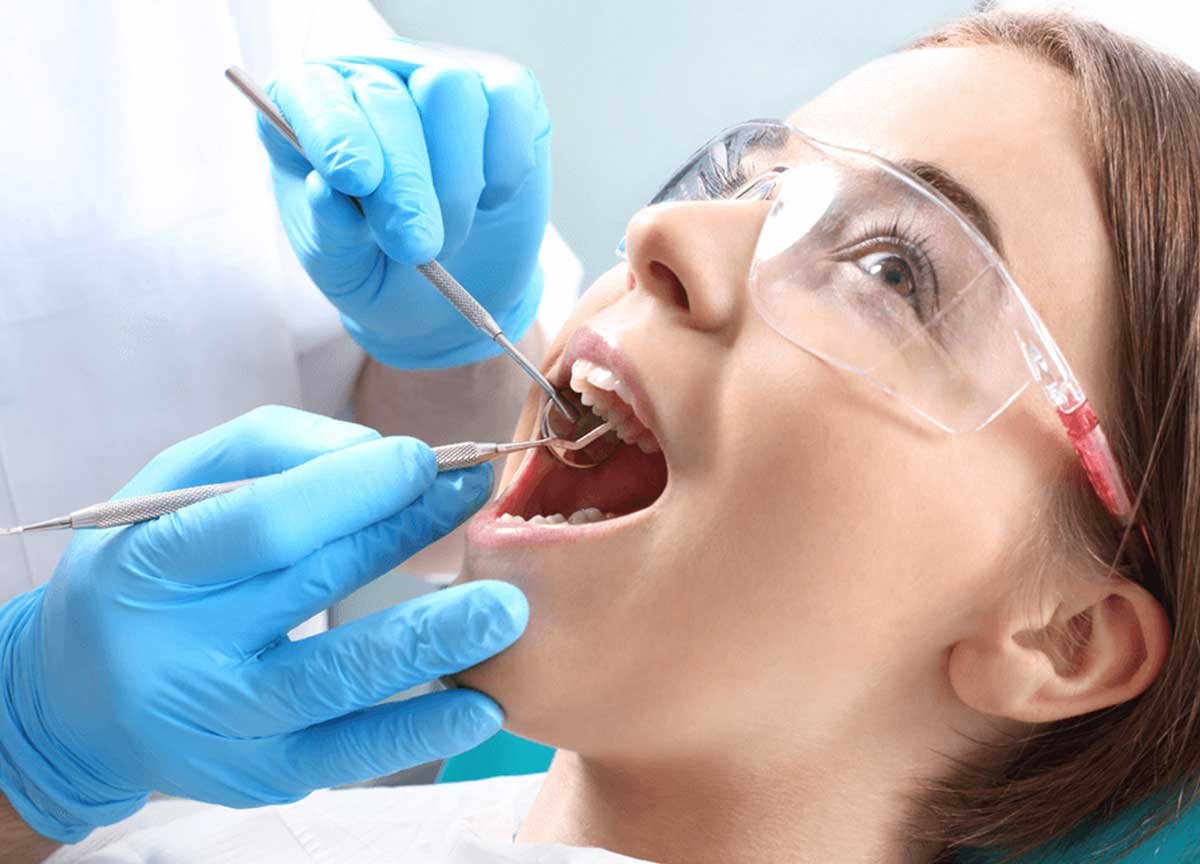
At Klinik Akpinar, your extraction will be performed by skilled dental professionals in a sterile environment, following these steps:
-
Numbing the Area: You will receive a local anesthetic to numb the tooth, jawbone, and surrounding gums, ensuring a pain-free experience.
-
Tooth Removal: The dentist will use special instruments to carefully loosen the tooth from its socket and extract it. Complex extractions, such as for impacted teeth, may require a surgical approach.
-
Controlling Bleeding: A sterile gauze pad is placed over the extraction site to stop bleeding and promote clot formation. Stitches might be used if needed.
Critical Tooth Extraction Aftercare
The healing process significantly depends on how you care for the site:
-
Protect the Clot: Forming a blood clot in the empty socket is crucial for healing. Avoid spitting, rinsing forcefully, using straws, or touching the area for the first 24 hours.
-
Manage Pain: Use any prescribed or recommended pain relievers as instructed.
-
Apply Cold Compress: Reduce swelling by applying an ice pack to the outside of your face in 20-minute intervals.
-
Eat Wisely: Stick to soft, lukewarm foods (e.g., yogurt, soup, mashed potatoes) for the first day. Avoid extremely hot, cold, or spicy foods.
-
Maintain Oral Hygiene: Brush your other teeth gently, but avoid brushing directly over the extraction site on the first day. From the second day, start gentle warm-salt water rinses.
-
Avoid Smoking and Alcohol: Abstain for at least 48 hours, as they can dislodge the clot and hinder healing.
Seeking Professional Dental Care in Bursa, Turkey
Klinik Akpinar provides comprehensive dental services, including expert tooth extractions, in a comfortable and modern facility in Bursa. If you suspect you may need a tooth extraction or have questions about your oral health, contact us today to schedule a consultation. We are committed to helping you achieve and maintain a healthy smile.